Trending
Permit me to dabble briefly in a matter that does not directly concern me: the coming governorship election in Ogun State.

Nigeria’s electoral process is shaped not only by political competition, campaign promises and the activities of political parties but also by how information reaches citizens across different linguistic and cultural communities.
Permit me to dabble briefly in a matter that does not directly concern me: the coming governorship election in Ogun State.
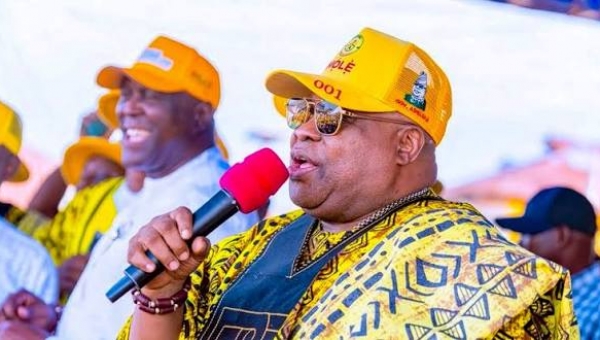
Speaking after an infrastructure inspection, Governor Ademola Adeleke openly backed President Bola Tinubu’s 2027 re-election bid. He warmly referred to him as "our own son, father and leader." He went further to declare: "I am the governor of the ancestral birthplace of Mr President. How can I have my own in the saddle and think twice before embracing him?" Yet, even as those words echoed, in the election that held yesterday in Osun State, Governor Adeleke’s fate and that of Osun State were being systematically framed, for better or worse.
_thumbnail.jpeg)
Elections are a central mechanism through which citizens exercise political choice and determine who governs them. Yet the quality of democracy cannot be measured simply by whether voting takes place or a winner is declared. Credible elections require citizens to participate freely, candidates to compete fairly, votes to be counted transparently and elected officials to remain accountable after the polls.
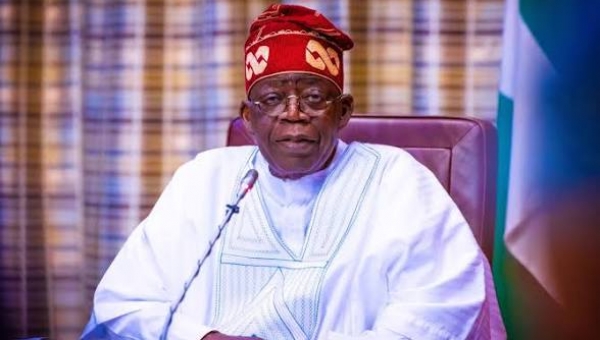
After the bishops’ recent closed‑door meeting with President Bola Ahmed Tinubu, Cardinal John Onaiyekan made a striking claim: that presidential aides are shielding the President from the true suffering in the country, presenting a false “rosy picture,” and that Tinubu already appears desperate about winning the 2027 election.
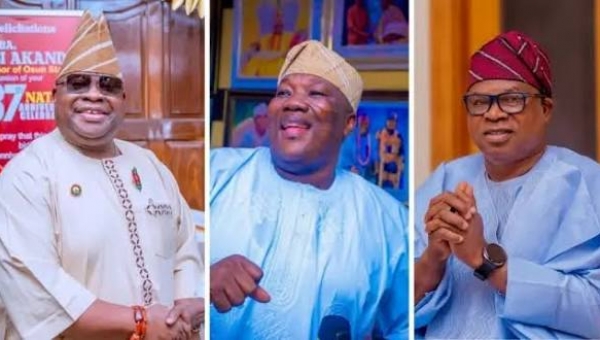
Some people have asked me why Rauf Aregbesola’s candidate failed to make a strong showing in last Saturday’s election.
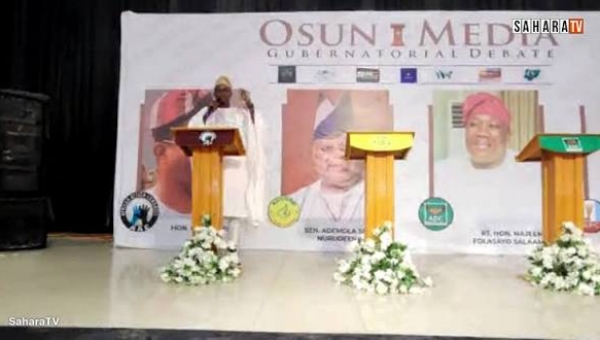
The stage was set. The moderators were ready. Citizens tuned in expecting to hear competing visions for Osun’s future. However, the podiums reserved for the candidates of the All Progressives Congress (APC), African Democratic Congress (ADC), and Accord Party remained empty. Only the candidate of the African Action Congress (AAC) appeared.
Whether their absence stemmed from political calculation, scheduling conflicts, or other considerations, Osun voters were denied one of the few opportunities to hear candidates articulate their plans, defend their policies, and respond to questions on the issues that matter most to the state.
Unlike political rallies where candidates address largely supportive audiences, debates subject them to equal scrutiny. The absence of leading candidates like Ademola Adeleke, Bola Oyebamiji, and Najeem Salaam limits public access to information, weakens issue-based campaigning, and diminishes opportunities for accountability.
While political parties are under no legal obligation to participate in debates, democratic leadership is strengthened when candidates willingly present themselves before the electorate to defend their ideas.
In contrast, the attendance of the AAC candidate, Olajide Esan deserves acknowledgement for his willingness to engage with citizens.
Regardless of political affiliation, every candidate who accepts public questioning contributes to strengthening democratic culture and promoting accountability. This should not surprise anyone. He comes from the political party of the ever-conscious Omoyele Sowore.
Election should not merely be about who mobilises the largest crowds or dominates campaign headlines. They should be about who presents the most credible vision for governance and demonstrates the capacity to deliver it.
As Osun heads to the polls, attention will rightly focus on security, voter turnout, and the credibility of the electoral process. However, candidates are not doing enough to earn the trust of voters through openness and accountability.
The empty podiums at the governorship debate should serve as a reminder that democracy flourishes when leaders are willing to subject themselves to public scrutiny.
Shame on the absentees.
_thumbnail.jpeg)