
Trending
Sanwo-Olu’s wife leads campaign against drug abuse
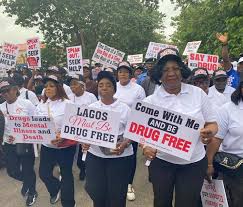
The first lady of Lagos, Dr. Ibijoke Sanwo-Olu, has underscored the need for robust awareness campaigns as a frontline defence against drug abuse and illicit trafficking.
She made the call during a high-impact sensitisation campaign held at Lagos State University (LASU), Ojo Campus, to mark the 2025 International Day Against Drug Abuse and Illicit Trafficking.
Themed “The Evidence is Clear, Invest in Prevention,” the event was anchored by a vibrant campus walk, dramatic presentations, and interactive sessions designed to engage students and stakeholders alike.
The day is observed globally every June 26.
Ms Sanwo-Olu said the campaign was designed to warn students about the long-term consequences of drug abuse while encouraging those struggling with addiction to seek help.
“Statistics on drug abuse in Lagos is disturbing. Substance abuse is a silent killer and a destiny destroyer. We must break the culture of silence and stigmatisation. Women, especially at the grassroots, must use their voices to fight this scourge,” she said.
She called on the public to support victims of drug abuse instead of isolating them.
The NDLEA commander in Lagos, Abubakar Wali, described drug abuse as a serious threat to public health, education and security. He reaffirmed the agency’s commitment to drug control and enforcement, particularly among youths.
He said that the youth were the most vulnerable due to peer influence.
“Drug abuse not only affects mental health but also undermines national development. We call for more support in enlightenment and rehabilitation,” Mr Wali said.
In her welcome address, LASU vice-chancellor Ibiyemi Olatunji-Bello said that over 14.3 million Nigerian youths aged from 15 years to 24 years were involved in drug abuse.
She described the figure as alarming and urged students, parents, religious leaders, and traditional institutions to take up the fight against drug abuse.
The vice-chancellor stated that the eradication of drug abuse was a collective responsibility.
“This campaign is important for the future of our young people. We must work together across sectors and communities to confront this challenge head-on,” she said.


_thumbnail.jpeg)