Trending
Nigeria's democracy on sale: The dangerous rise of vote buying
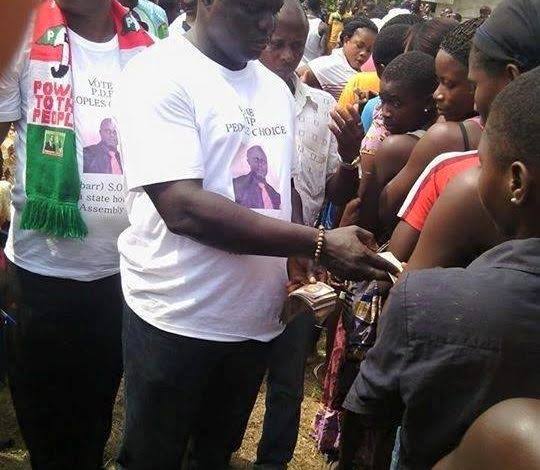
As Nigeria prepares for yet another cycle of elections, one disturbing question continues to linger: Are Nigerians electing leaders or simply auctioning the nation's future to the highest bidder?
In my opinion, the greatest threat to Nigeria's democracy today is no longer ballot box snatching or result manipulation alone. It is the growing normalization of vote buying. What should be a sacred democratic exercise has, in many instances, become a marketplace where votes are exchanged for a few thousand naira, food items, or empty promises.
It is easy to blame politicians for offering money, but the uncomfortable truth is that vote buying survives because there are willing sellers. Every citizen who collects money in exchange for a vote may feel they are benefiting from a desperate economic situation, but the reality is that they are often helping to install leaders who have no intention of serving the public interest.
When politicians spend millions buying votes, they do not see governance as a responsibility; they see it as a business investment. Once elected, their focus shifts from serving the people to recovering their expenses and enriching themselves. The result is the same cycle Nigerians have endured for decades: poor roads, failing healthcare, inadequate education, unemployment, insecurity, and widespread poverty.
What makes this situation even more tragic is that the people who suffer most from bad governance are often the same people whose votes were purchased. A vote sold for ₦5,000 today can translate into four years of hardship, neglect, and broken promises. It is perhaps the most expensive cheap transaction any citizen can make.
The fate of Nigeria is increasingly being determined not by informed voters seeking competence and character, but by those willing to exchange their civic responsibility for a pot of porridge. This trend raises serious concerns about the future of our democracy. If elections continue to be won through financial inducement rather than merit, then Nigeria risks becoming a nation where leadership is bought rather than earned.
I believe the fight against vote buying cannot be won through legislation alone. Electoral laws are important, but the real battle is one of conscience. Nigerians must begin to understand that their votes are more valuable than any amount of money offered during elections. Political awareness, civic education, and economic empowerment are crucial if the country is to break free from this dangerous culture.
Democracy is not merely about casting votes; it is about making choices that shape the future. Sadly, when votes become commodities, the future itself becomes a commodity. Nigeria's progress, stability, and prosperity depend on citizens who are willing to look beyond temporary gains and vote for competence, integrity, and vision.
The harsh reality is that politicians can only buy what voters are willing to sell. Until Nigerians collectively reject vote buying, the nation may continue to recycle the same leadership failures while expecting different outcomes.
Nigeria's democracy is not under threat from outsiders. It is under threat from the growing belief that a vote has a price tag. The day Nigerians decide that their future is not for sale may be the day the country finally begins to realize its enormous potential.
As Nigeria continues to grapple the turmoil of incessant kidnapping, inflation, the Future of the country lies on the shoulder of each Nigerians and we all would be held accountable for the choice we make.